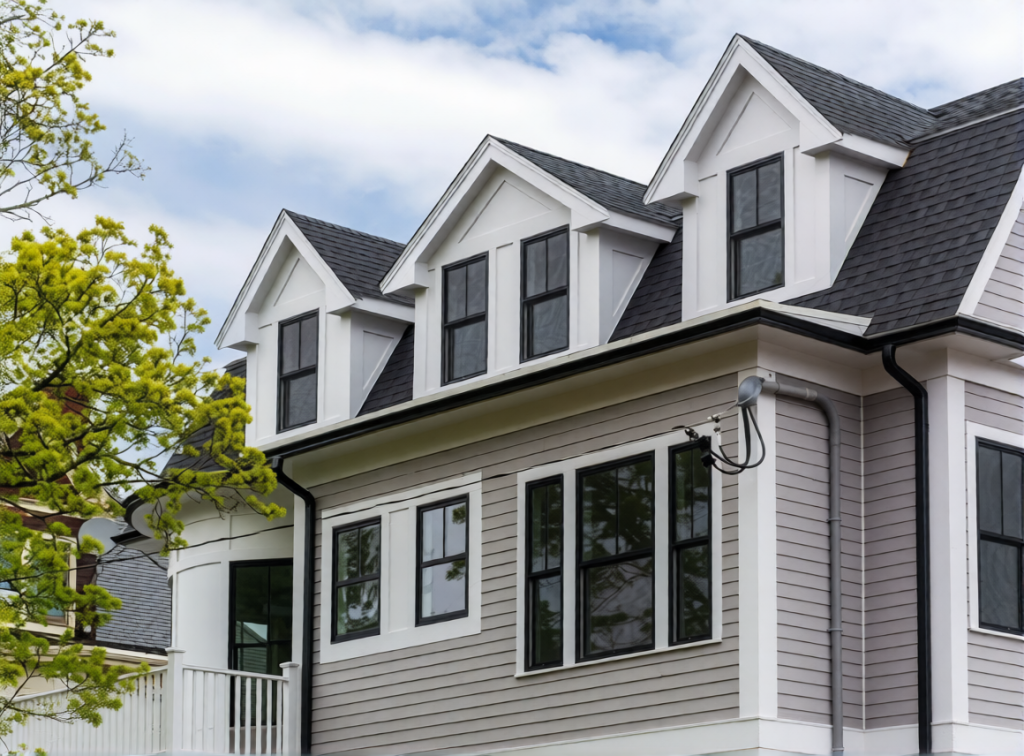
Downpipes are an essential part of any roof drainage system, directing rainwater safely from gutters to suitable drainage points around the property. At Roof Repairs Chatswood, we connect homeowners and businesses with experienced roofing specialists providing reliable downpipe installation and repair services across Chatswood, Willoughby, Roseville, Artarmon, Lane Cove, and surrounding Lower North Shore suburbs.
Damaged, blocked, poorly positioned, or undersized downpipes can prevent rainwater from draining correctly and may contribute to overflowing gutters, water damage, dampness, and erosion around the property. Professional downpipe services help maintain effective roof drainage whilst protecting walls, foundations, landscaping, and other parts of the building.
The roofing professionals we work with provide comprehensive downpipe services including new downpipe installation, downpipe replacement, leak repairs, blockage removal, storm damage repairs, downpipe extensions, and drainage improvements. Whether you require a single downpipe replaced or a complete roof drainage upgrade, experienced contractors provide solutions suited to your property’s roof and gutter system.
Properties throughout Chatswood West, Castle Cove, Roseville, and North Willoughby can experience heavy rainfall and changing weather conditions, making properly functioning downpipes an important part of residential and commercial property maintenance.
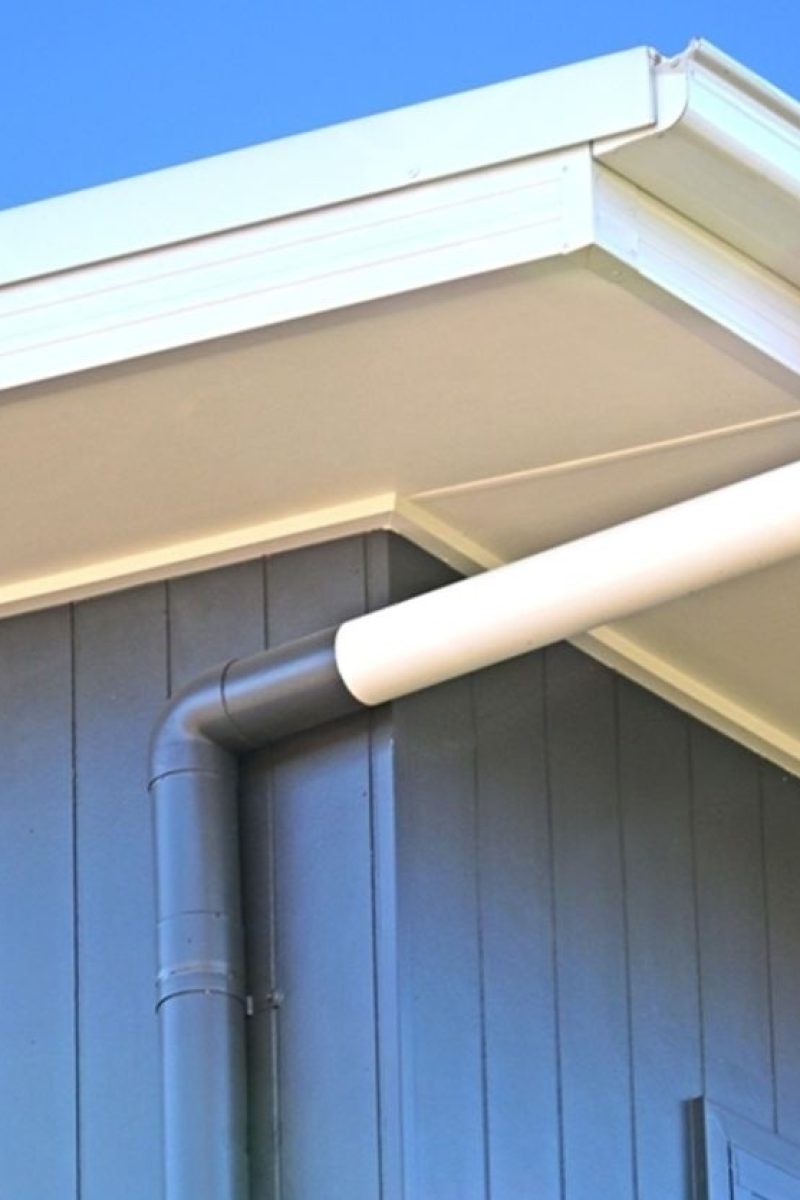
Downpipes form a critical connection between roof gutters and the property’s drainage system. They collect rainwater from guttering and direct it away from walls, foundations, paving, and landscaped areas.
Downpipes are available in different sizes, profiles, and materials to suit various roofing and guttering systems. Common options include Colorbond and other metal downpipes, with the appropriate choice depending on the property’s existing roof drainage system and design.
An effective drainage system relies on correctly positioned gutters, suitable downpipe capacity, secure connections, and clear outlets. Problems with any of these components can reduce drainage performance and increase the risk of water overflow.
Professional roofing contractors can assess existing drainage systems and recommend suitable downpipe installation, replacement, or repair solutions.
Downpipes can develop a range of problems due to age, weather exposure, blockages, poor installation, and general wear. Identifying issues early can help prevent water damage and more expensive drainage repairs.
Leaks are one of the most common downpipe problems. Cracked sections, damaged joints, loose connections, and deteriorated seals can allow rainwater to escape before reaching the intended drainage point.
Blocked downpipes can also restrict water flow, particularly when leaves, dirt, roof debris, and other materials accumulate inside the drainage system. Blockages can cause gutters to overflow during heavy rainfall.
Poorly positioned or undersized downpipes may struggle to handle large volumes of stormwater. This can result in overflowing gutters and water running down external walls or pooling around the property.
Storms can also damage downpipes through falling branches, strong winds, and impact from other debris, requiring prompt inspection and repairs.
Downpipe leaks are not always immediately obvious. Water may escape from concealed joints or damaged sections and gradually cause staining, dampness, or deterioration around the property’s exterior.
Professional inspections involve checking downpipe sections, joints, brackets, outlets, connections, and surrounding drainage areas to identify the source of water loss.
Leaks can result from corrosion, cracked materials, failed seals, loose connections, or impact damage. Proper diagnosis ensures the underlying problem is addressed rather than simply treating visible water.
Professional roof inspections can also identify drainage problems affecting gutters, downpipes, valleys, and other roof components.
Early downpipe repairs help maintain effective stormwater management and minimise the possibility of water-related damage to the property.
Damaged or deteriorated downpipes should be repaired or replaced before they compromise the wider roof drainage system. Minor leaks and loose connections can often be addressed without replacing the entire downpipe.
Professional downpipe repairs may include sealing leaking joints, replacing damaged sections, securing loose fittings, clearing blockages, and correcting connection issues.
When downpipes are severely corroded, cracked, undersized, or beyond economical repair, replacement may provide a more reliable long-term solution.
Replacement downpipes can be matched to the existing guttering and property’s exterior where possible, helping maintain a neat and consistent appearance.
Prompt repairs help restore reliable water flow and reduce the risk of moisture damage around walls, foundations, landscaping, and other areas.

When should I replace a downpipe rather than repair it?
Replacement may be recommended when a downpipe has extensive corrosion, multiple cracks, severe damage, or ongoing drainage problems.
How long does downpipe installation take?
Most standard downpipe installations or replacements can be completed relatively quickly, although the timeframe depends on the property’s roof and drainage configuration.
Can downpipes be installed on older homes?
Yes. New downpipes can generally be installed on older properties and connected to existing guttering and drainage systems where suitable.
What materials are available for downpipes?
Downpipes are commonly available in metal and Colorbond finishes, allowing contractors to select an option suited to the existing guttering and property’s exterior.
Can downpipes improve gutter drainage?
Yes. Installing additional or correctly sized downpipes can improve water flow and help reduce gutter overflow during heavy rainfall.
Do downpipes need regular cleaning?
Yes. Debris can accumulate inside downpipes and restrict water flow, so they should be checked and cleared as part of regular gutter maintenance.
Can downpipes be redirected away from the building?
Yes. Downpipes can sometimes be extended or redirected to move rainwater away from walls, foundations, landscaping, and other vulnerable areas.
Can I get downpipes repaired after storm damage?
Yes. Roofing professionals can inspect storm-damaged downpipes and repair or replace cracked, dented, disconnected, or displaced sections.
If your property requires downpipe installation, replacement, repairs, leak detection, or drainage improvements, Roof Repairs Chatswood can connect you with experienced local roofing professionals.
Contact Roof Repairs Chatswood today on (02) 5701 4347 to arrange downpipe services across Chatswood, Willoughby, Roseville, Artarmon, Lane Cove, and surrounding Lower North Shore suburbs.
Visit the Roof Repairs Chatswood Contact Page to request an inspection or obtain a repair quote. You can also learn more through the Roof Repairs Chatswood About Us Page and explore additional Roofing Services in Chatswood for residential, commercial, heritage, and strata roofing solutions.