
Roofs are exposed to rain, humidity, sunlight, dust, falling leaves and airborne pollutants throughout the year. Over time, these conditions can leave behind mould, moss, algae, dirt and stubborn staining that can make the roof look neglected and may contribute to ongoing surface deterioration.
At Roof Repairs Chatswood, we connect homeowners, businesses and property managers with independent roofing contractors who specialise in roof cleaning and pressure washing throughout Chatswood and Sydney’s Lower North Shore. These professionals can inspect the roof, identify the type of buildup present and select an appropriate cleaning method for the roofing material.
Whether your roof has developed dark stains, moss, mould, algae, dirt or accumulated organic debris, the contractors we refer can provide practical cleaning solutions for residential, commercial and strata properties.
Request Your Roof Cleaning Assessment | Call Now: (02) 5701 4347

A roof can gradually accumulate dirt, organic growth and debris that may be difficult to remove with ordinary household cleaning. Shaded areas and properties surrounded by trees can be particularly prone to moisture buildup, mould, moss and algae.
With regular rainfall, humidity and changing weather conditions, Chatswood roofs can develop visible staining and surface contamination. Professional roof cleaning can help maintain the roof’s appearance while making it easier to spot potential damage and maintenance concerns.
Common causes of roof buildup include:
These contaminants may contribute to:
The independent roofing contractors we connect you with throughout Chatswood can provide cleaning solutions for different types of roof surfaces and contamination. The cleaning approach can be selected according to the material, condition and type of buildup present.
A roof should be assessed before cleaning so the contractor can identify its material, condition and any areas requiring special care.
The assessment may involve:
This helps determine whether pressure washing, soft washing, manual cleaning or another treatment is appropriate.
Pressure washing can be effective for removing surface dirt, grime and certain types of buildup from suitable roofing materials.
Depending on the roof, contractors may assist with:
Pressure levels should be selected carefully according to the roofing material and its condition.
Some roofs may not be suitable for aggressive pressure washing, particularly where materials are older, weathered or fragile. In these situations, contractors may recommend gentler cleaning techniques.
These can include:
The appropriate approach will depend on the roof and the type of contamination present.
Organic growth can be particularly noticeable on shaded and damp sections of roofing. If allowed to remain, it can continue spreading across nearby surfaces.
Professional cleaning may involve:
The contractor can determine the appropriate treatment based on the type and severity of the growth.
Not all roof stains are caused by ordinary dirt. Some may result from mould, algae, pollution, organic matter or prolonged water exposure.
Contractors can assess the source of the staining and select a suitable cleaning method rather than treating every surface in the same way.
Roof valleys and drainage areas can collect leaves, dirt and organic material. Removing this buildup can help keep water pathways clearer and make it easier to identify potential drainage problems.
Cleaning may include:
Related service:
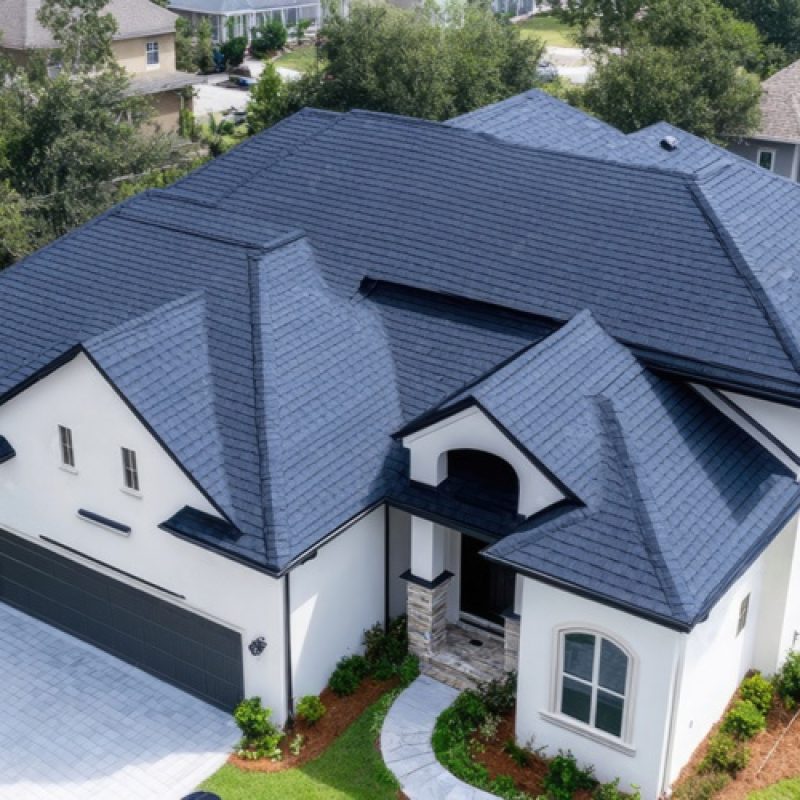

Shaded and damp roof areas can develop mould and algae, often appearing as dark patches, green discolouration or spreading marks. Professional cleaning and treatment can help improve the appearance of affected surfaces.
Moss can develop around tile edges, valleys, ridges and other areas where moisture remains. Careful removal is important to help avoid damage to roofing materials.
Dust, pollution and environmental grime can gradually accumulate on roof surfaces, making them appear dull and weathered. Professional washing can help restore a cleaner appearance.
Trees surrounding a property can leave leaves, twigs and other debris across the roof. Removing this buildup can help reduce moisture retention and organic growth.
Long-term staining may result from mould, algae, moss, pollution or water runoff. Identifying the likely cause helps determine the most suitable cleaning or treatment method.
Every roof requires a cleaning method suited to its material, condition and level of buildup. The contractors we connect you with can assess the roof and recommend an appropriate approach.
The process typically begins with checking for dirt, mould, moss, algae, staining, damaged tiles, loose components and blocked drainage areas.
The contractor can consider the roofing material, age, condition, existing coatings, contamination and accessibility to determine whether pressure washing, soft washing or another method is suitable.
Before cleaning, loose debris can be removed and surrounding areas, drainage points and vulnerable surfaces can be prepared to help manage water and cleaning residue.
Depending on the roof, cleaning may include controlled pressure washing, low-pressure cleaning, mould and algae treatment, moss removal, stain treatment, debris removal and rinsing.
Once cleaning is complete, the roof can be checked for remaining buildup and any visible issues such as damaged tiles, deteriorated components or blocked drainage.

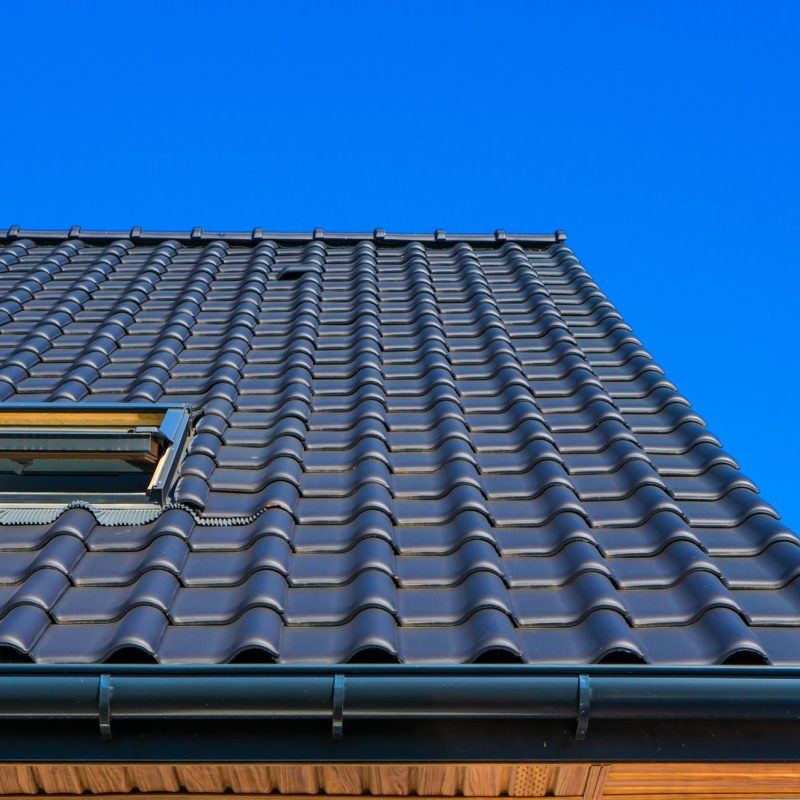
Professional roof cleaning can benefit residential, commercial and strata properties. Cleaning requirements can vary depending on the roof’s size, design, condition and surrounding environment.
Homes can develop dirt, mould, moss and algae, particularly around trees or shaded areas. Contractors can assist with cleaning family homes, townhouses, duplexes, garages and carports while helping improve the roof’s appearance and visibility for inspections.
Commercial properties can accumulate dirt, staining and organic growth over time. Cleaning can help maintain a presentable appearance and make it easier to monitor the roof’s condition across warehouses, offices, retail premises and other commercial buildings.
Strata properties may require cleaning across shared roofing and common property areas. Contractors can assist apartment buildings, townhouse complexes and multi-level developments while coordinating with strata managers or property representatives.
Professional cleaning can remove existing buildup, but ongoing maintenance can help slow the return of dirt, moss and organic growth.
Overhanging branches can drop leaves and organic material onto the roof. Keeping nearby vegetation appropriately maintained can reduce the amount of debris accumulating on the surface.
Blocked gutters and drainage points can contribute to moisture buildup. Regular gutter maintenance can help rainwater move away from the roof more effectively.
If mould or algae begins returning, early treatment may help prevent the affected area from becoming more extensive.
Leaves and branches should not be left sitting on the roof for long periods. Organic debris can retain moisture and encourage further staining and growth.
Periodic professional assessments can help identify recurring contamination as well as other maintenance concerns such as damaged tiles, blocked valleys or deteriorated components.

Roof cleaning costs vary depending on the roof size, material, condition, access, pitch and level of dirt or organic growth. Cleaning methods such as pressure washing, soft washing, mould treatment and moss removal can also affect the price. Contractors will generally inspect the roof first, identify any additional maintenance concerns and provide a quotation outlining the recommended work and associated costs.
There is no fixed schedule for every property. Cleaning frequency can depend on the roofing material, surrounding trees, moisture exposure, weather conditions and how quickly mould or staining develops.
No. Some roofing materials and older surfaces may require gentler cleaning methods. A professional can assess the roof and recommend an appropriate pressure level or alternative cleaning technique.
Professional cleaning and suitable treatments can remove or reduce mould and algae. The required treatment will depend on the type and extent of the growth.
Moss can often be removed, but the process should be suited to the condition and type of tile. Heavy growth may require careful treatment to minimise the risk of surface damage.
Pressure washing can remove many surface contaminants, but some stains may require additional treatment. The result will depend on what caused the staining and how deeply it has affected the surface.
Yes. A clean, properly prepared surface is generally important before applying a new roof coating. Dirt, mould, algae and loose material can interfere with coating adhesion.
Yes. Cleaning can make it easier to identify damaged tiles, blocked drainage areas, deteriorated coatings and other problems that may be hidden beneath dirt and organic buildup.
The timeframe depends on roof size, access, surface condition, cleaning method and the amount of contamination present. A contractor can provide a more accurate estimate after assessing the property.
If your roof has accumulated dirt, mould, moss, algae or stubborn staining, Roof Repairs Chatswood can connect you with experienced roof cleaning and pressure washing specialists.
Contact Roof Repairs Chatswood today on (02) 5701 4347 to arrange roof cleaning and pressure washing across Chatswood, Willoughby, Roseville, Artarmon, Lane Cove, and surrounding Lower North Shore suburbs.
Visit the Roof Repairs Chatswood Contact Page or explore more Roofing Services in Chatswood for complete roof cleaning, pressure washing, maintenance and repair solutions.

