
Water stains on ceilings, damp patches in roof cavities and unexplained moisture around walls can indicate a problem with your terracotta roof. However, the visible damage inside a property does not always reveal where the water is entering. Rainwater can travel beneath tiles and along roof components before appearing indoors, making the original entry point difficult to identify.
Roof Repairs Chatswood connects homeowners, businesses and property managers with independent roofing contractors who can investigate suspected terracotta roof leaks throughout Chatswood and Sydney’s Lower North Shore. Their inspections focus on identifying potential entry points, examining vulnerable roofing sections and determining whether damaged tiles, ridge capping, valleys or flashings may be contributing to the problem.
Whether a leak appears during heavy rainfall or develops as a recurring damp patch, finding the likely source is an important step towards selecting the right repair.
Request Immediate Emergency Roof Assistance | Call 24/7: (02) 5701 4347
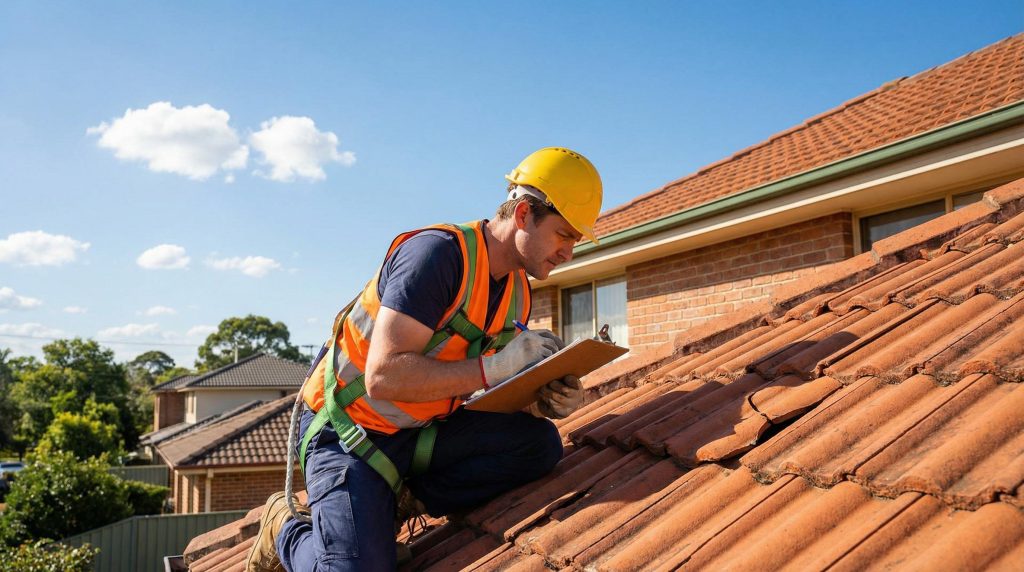
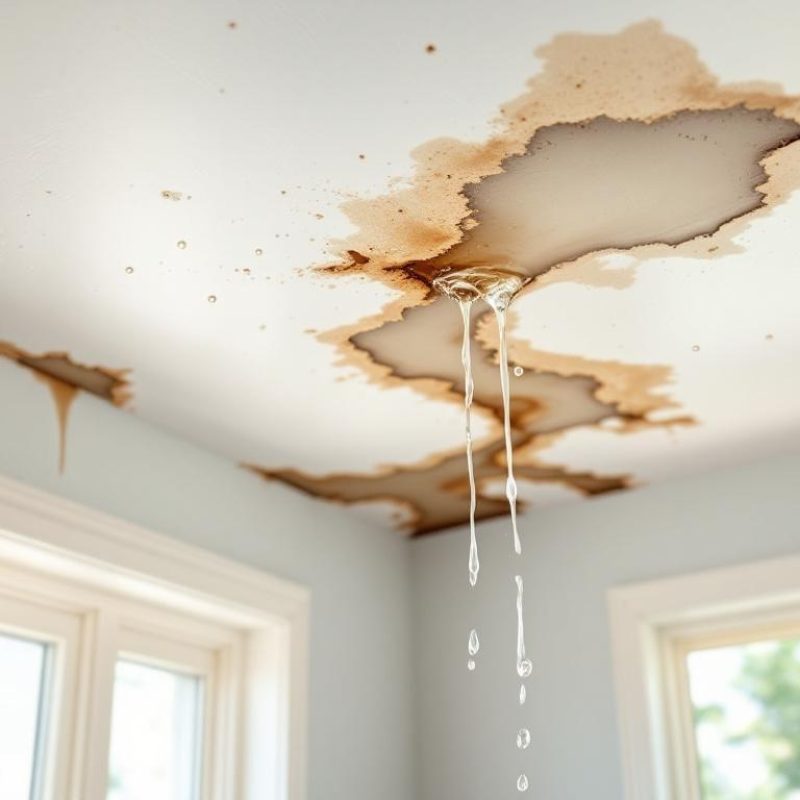
Terracotta tiles form the outer covering of a roofing system, but the roof’s ability to manage rainwater also depends on the condition of adjoining components and the layers beneath the tiles. A leak may originate from a damaged tile, deteriorated ridge pointing or a vulnerable junction rather than the area where moisture becomes visible inside.
A timely investigation can help identify issues such as:
Cracked or displaced terracotta tiles.
Gaps around ridge caps and roof junctions.
Deteriorated valley materials.
Damaged flashing near chimneys or skylights.
Defects around roof penetrations.
Water entering beneath adjoining tiles.
Blocked drainage paths contributing to overflow.
Unresolved moisture can affect ceiling linings, insulation, timber and other internal materials. Identifying the cause helps property owners understand which repairs may be required instead of relying on repeated patching in the wrong location.
Tile Cracks and Displacement
Terracotta tiles can crack through impact, age or handling. Tiles may also shift from their intended position, leaving gaps that allow rainwater to reach the layers beneath the roof covering.
Contractors may investigate:
Broken or cracked tiles.
Slipped or displaced tiles.
Gaps between adjoining tiles.
Damaged tiles around roof edges.
Tile movement near valleys and ridges.
Ridge Capping and Mortar Deterioration
The ridge is where adjoining roof slopes meet. If bedding or pointing deteriorates, cracks and gaps can develop around the ridge caps. These areas may become potential entry points for rainwater, particularly when exposed to wind-driven rain.
A ridge inspection may look for loose caps, failing mortar, separated pointing and visible openings along the roof peak.
Valley and Flashing Leaks
Roof valleys channel rainwater towards the drainage system, while flashing protects joints and transitions around roof structures. Damage, deterioration or poor water flow in these areas can contribute to leaks even when the surrounding terracotta tiles appear intact.
An investigation may include:
Valley condition checks.
Flashing separation or corrosion.
Roof-to-wall junctions.
Chimney and skylight surrounds.
Connections around vents and pipes.
Leaks Around Roof Penetrations
Areas where pipes, vents, skylights or other fixtures pass through the roof require suitable weatherproofing. Deteriorated seals or damaged flashing can allow water to enter around these openings.
Contractors can examine accessible penetrations and adjoining tiles to identify visible defects that may explain the leak.
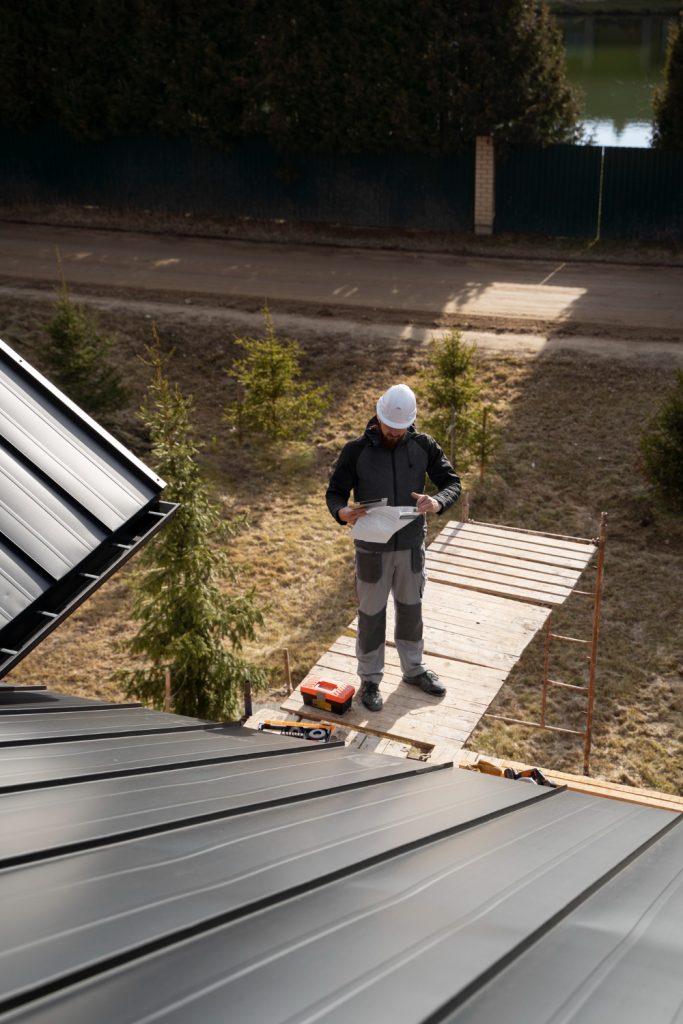
A leak in a terracotta tiled roof is not always easy to trace. Water may enter through a small gap around flashing, ridge capping or an affected tile before appearing as a damp patch inside the property. A roof leak inspection helps identify possible entry points and determine what repairs may be needed.
The inspection begins with gathering information about the problem, including:
Where water stains or drips have appeared
Whether the leak occurs during heavy rain or wind-driven rain
Any recent changes in the roof’s condition
Signs of moisture in ceilings or roof spaces
Previous repairs around the suspected area
Where access and weather conditions permit, the roof is examined for possible sources of water entry, such as:
Cracked, slipped or poorly seated tiles
Gaps around ridge capping and hip joints
Deteriorated flashing near chimneys and roof penetrations
Problems around roof valleys
Debris or obstructions affecting water drainage
Water can travel along roof battens, underlay or other surfaces before becoming visible indoors. Depending on the property and the suspected leak location, further checks may involve:
Examining the underside of the roof
Checking accessible roof cavities for moisture
Inspecting joints, valleys and flashing
Looking for water tracks or damp building materials
Assessing whether more than one area may be involved
Once the likely source has been identified, the findings help determine the appropriate next steps. Depending on the condition of the roof, these may include:
Replacing affected terracotta tiles
Adjusting or reseating displaced tiles
Repairing defective flashing
Addressing ridge capping or pointing issues
Clearing obstructions from roof valleys
The exact repair will depend on the inspection findings. Further investigation may be necessary if the entry point cannot be confirmed during the initial assessment.
After the suspected leak has been assessed, additional roof issues may also need attention. Recommendations could include checking nearby tiles, reviewing the condition of ridge capping or arranging repairs to other vulnerable areas.
Any follow-up work should address the identified cause rather than simply treating the visible water stain inside the property.
Arrange Terracotta Roof Leak Detection

Traditional Terracotta Tile Roofs
Older terracotta roofs may have a history of previous repairs, ageing mortar or individual tiles that have shifted over time. Investigations should consider both the visible tiles and the condition of the surrounding roofing components.
Multi-Unit and Strata Properties
A leak in a shared building can affect ceilings, adjoining units or common property. Contractors can investigate reported problem areas and help property representatives understand which roof sections may require further attention.
Commercial Properties
Terracotta roofing on commercial or mixed-use buildings can present different access and scheduling requirements. The inspection scope will depend on the roof’s height, layout, accessibility and the location of the reported leak.
Water does not always enter directly above the area where damage becomes visible. Watch for signs that may justify further investigation:
Brown or yellow ceiling stains.
Peeling paint near ceilings or walls.
Damp smells following rainfall.
Water dripping from ceiling joints.
Moisture around skylights or chimneys.
Visible cracks or displaced roof tiles.
Deteriorated ridge pointing.
Repeated leaks after previous repairs.
If water reaches electrical fittings, avoid touching the affected area and seek appropriate electrical assistance. Do not climb onto a wet roof to investigate a suspected leak.
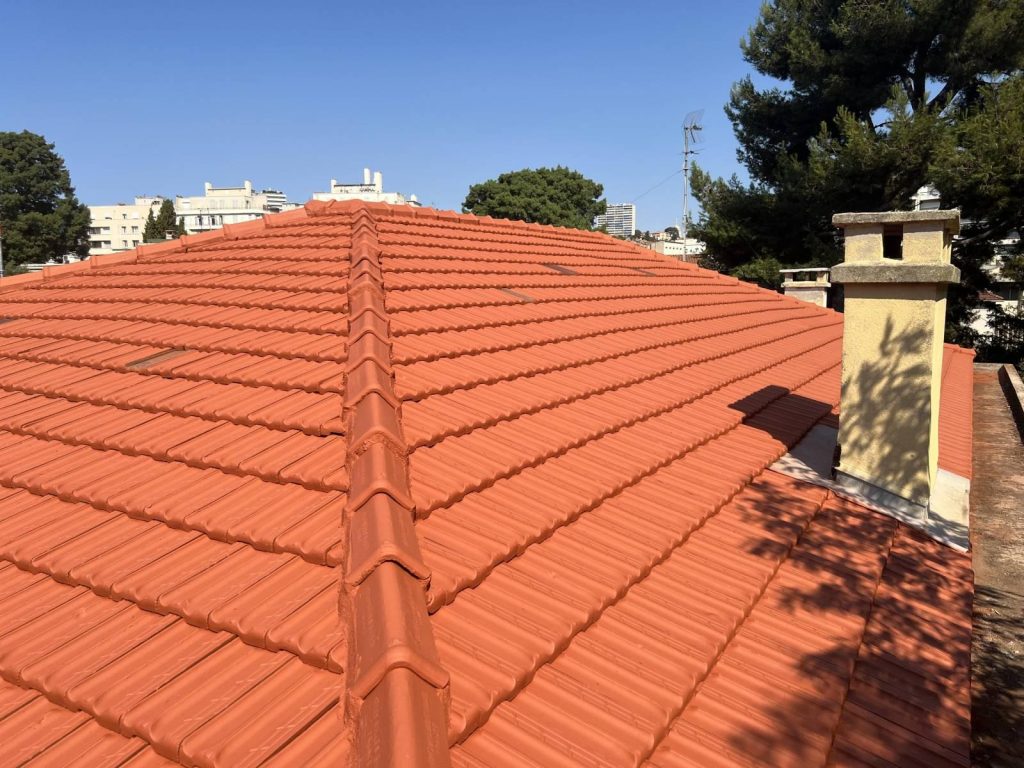
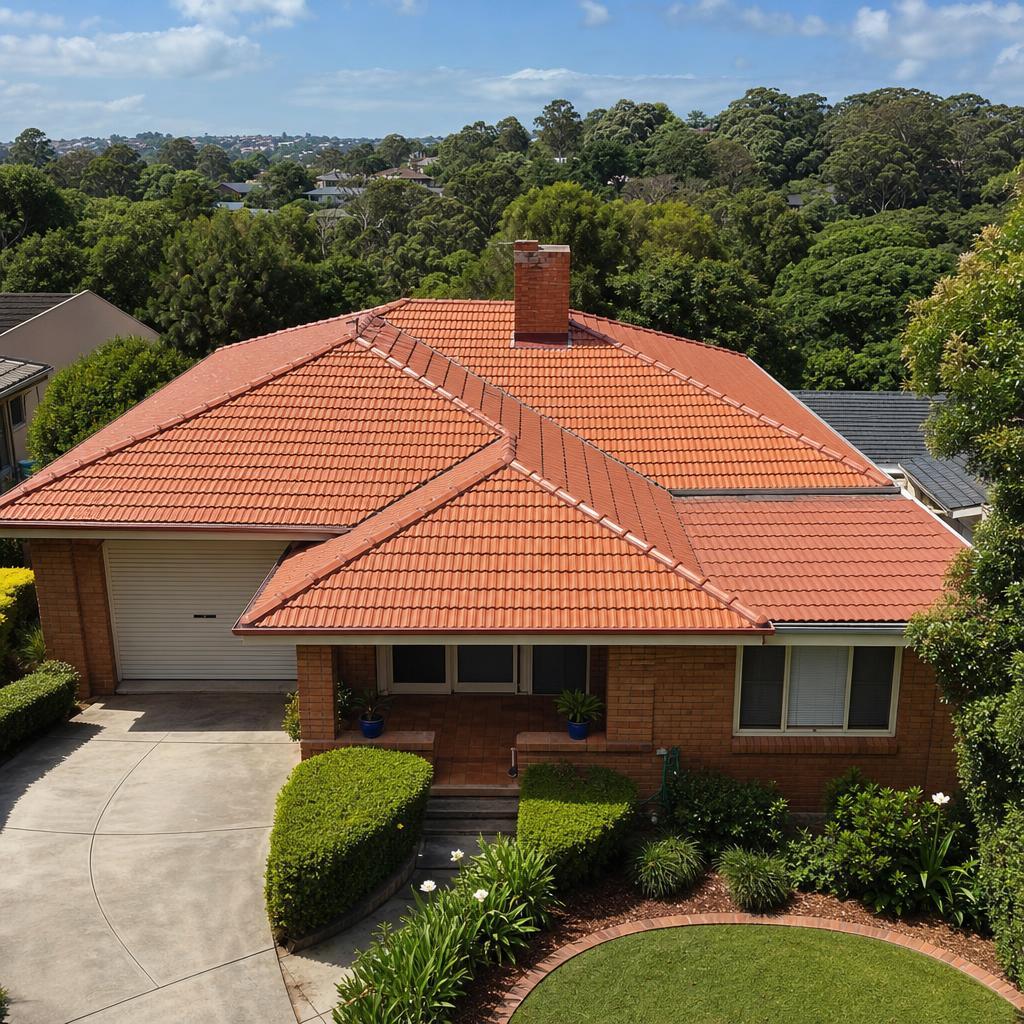
Roof Repairs Chatswood connects property owners with independent roofing contractors serving Chatswood and nearby Lower North Shore suburbs, including Chatswood West, Willoughby, Roseville, Artarmon and Lane Cove.
Whether the suspected leak affects a single room or several sections of a property, the investigation should consider the roof layout, visible damage and possible water paths. The actual cause can only be determined through an appropriate assessment.
Once the source of a leak has been identified, other roofing work may be required to address the problem.
Terracotta Roof Repairs: For damaged or displaced tiles.
Terracotta Re-bedding & Re-pointing: For deteriorated ridge bedding and pointing.
Terracotta Tile Replacement: For cracked or broken tiles.
Terracotta Ridge Capping Repair: For loose caps and damaged ridge sections.
Terracotta Roof Restoration: For broader maintenance needs identified during inspection.
The recommended service will depend on the findings rather than the symptoms alone.
How can I tell if my terracotta roof is leaking?
Ceiling stains, damp patches and water dripping during rainfall may indicate a leak. Cracked tiles or deteriorated ridge pointing can also warrant an inspection.
Can water enter through terracotta tiles?
Water may enter through cracked or displaced tiles, damaged junctions or other defects in the roofing system. The source should be investigated before repairs are selected.
Why does my roof leak only during heavy rain?
Heavy or wind-driven rain can expose weaknesses that remain unnoticed in lighter conditions. The roof’s valleys, flashing, ridge caps and tile alignment may need examination.
Can a leak be detected without removing tiles?
Some leaks can be traced through a visual inspection, but others require additional investigation. The approach depends on the roof layout and the evidence available.
Does a roof leak always mean tiles need replacing?
No. The cause may involve ridge pointing, flashing, valleys or other roof components. Tile replacement is only appropriate when the inspection identifies damaged tiles that require it.
Should I arrange an inspection if the leak has stopped?
Yes, if the source has not been identified. A leak may stop when the weather changes but return during the next period of heavy rainfall.
Recurring ceiling stains or unexplained moisture can be difficult to diagnose without examining the roofing system. Roof Repairs Chatswood connects property owners with independent roofing contractors who can investigate suspected terracotta roof leaks and discuss appropriate next steps.
Call (02) 5701 4347 to enquire about terracotta roof leak detection in Chatswood, Willoughby, Roseville, Artarmon, Lane Cove and surrounding Lower North Shore suburbs.
Visit the Contact Page to make an enquiry, learn more through the About Us page or explore additional Roofing Services in Chatswood.