
A terracotta roof does not necessarily need a complete overhaul when individual tiles become damaged. In many cases, replacing selected tiles can address localised problems while retaining the original roofing materials and appearance. The key is determining whether the affected tiles can be replaced independently or whether the surrounding roof also needs attention.
Roof Repairs Chatswood connects property owners across Chatswood and Sydney’s Lower North Shore with independent roofing contractors who handle terracotta tile replacement for houses, apartment buildings and other properties. Replacement work can be particularly useful for older roofs where preserving the existing tile pattern is important.

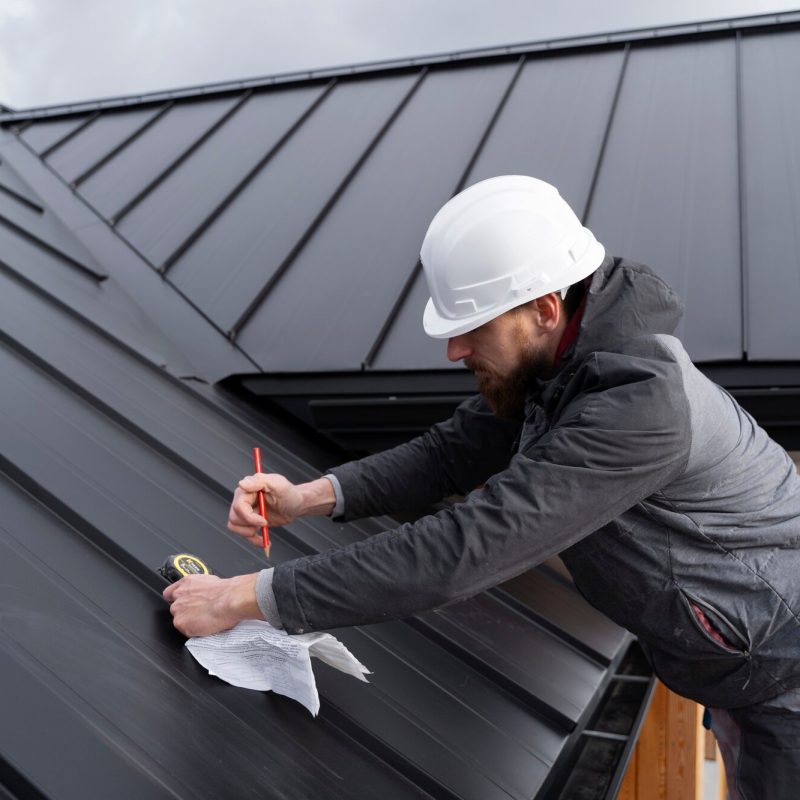
Finding a suitable replacement is not always as simple as purchasing a tile that looks similar. Terracotta roofing products vary in shape, dimensions, interlocking design and surface finish. A tile that does not fit the existing arrangement may create problems with alignment and water runoff.
Identifying the Original Tile Design
The existing tile profile helps determine which replacement products are suitable. Older roofs may feature discontinued designs, making identification an important first step before materials are sourced.
Managing Differences in Colour
Terracotta tiles can change in appearance through prolonged exposure to sunlight, rain and environmental conditions. Even a compatible new tile may look brighter or more uniform than the surrounding roof. Property owners should consider this difference when planning visible repairs.
Finding Alternatives for Discontinued Products
If the original tile is no longer manufactured, a contractor may investigate reclaimed tiles or compatible alternatives. Any substitute must be assessed for its dimensions, profile and suitability for the existing roof rather than selected on appearance alone.
Terracotta tiles can be damaged by impact, foot traffic or movement around the roof. Replacement work therefore needs to account for the condition of nearby tiles, particularly on older roofs where surrounding materials may also be fragile.
A contractor may assess:
Whether adjacent tiles are cracked or loose
Whether the supporting battens appear damaged
Whether the existing tile layout remains aligned
Whether signs of moisture are visible beneath the affected area
Whether several damaged sections indicate a wider problem
These checks help establish whether a localised repair is appropriate. If deterioration extends beyond the visible damage, additional work may be needed to address the underlying cause.
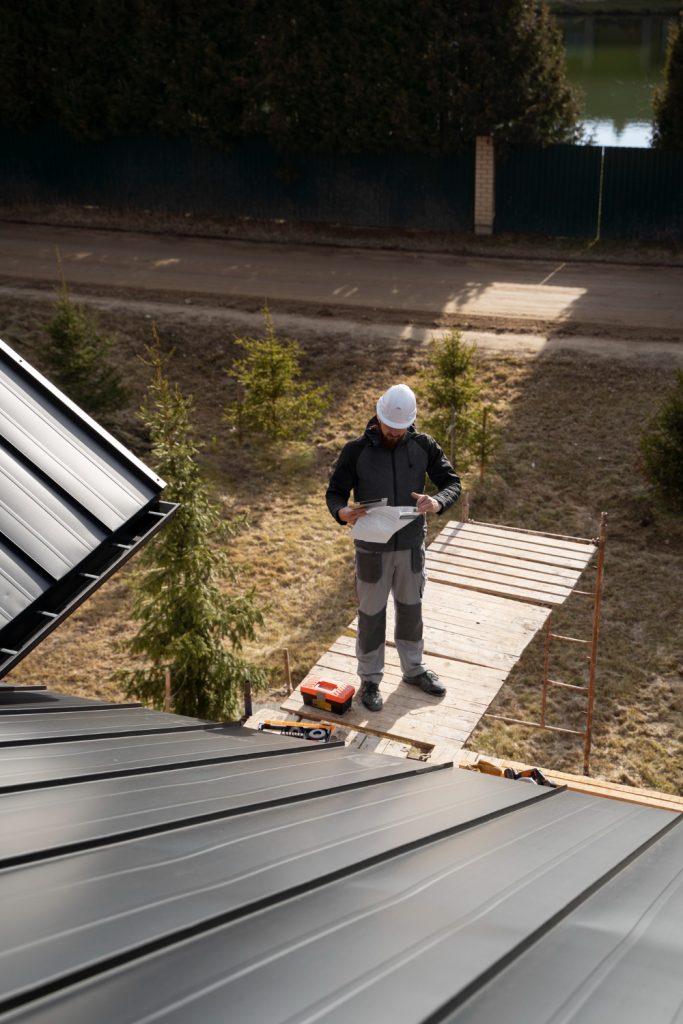
Converting a terracotta tile roof to Colorbond steel requires preparation beyond simply changing the roof covering. The existing structure, roof layout and drainage details must be considered to ensure the replacement system suits the property.
The contractor examines the roof to determine the work involved, including:
Tile and ridge condition
Roof framing and battens
Existing leaks or damage
Roof pitch and configuration
Access and safety requirements
The replacement roof is planned to suit the building’s design and construction. Important considerations include:
Colorbond colour and profile
Sheet layout and fixing method
Roof ventilation requirements
Flashing and drainage details
Any applicable building approvals
The existing tiles are removed to expose the supporting structure. The work may involve:
Lifting and removing roof tiles
Clearing redundant materials
Inspecting exposed battens
Checking for timber deterioration
Identifying repairs needed before installation
Once the roof is ready, the contractor completes the agreed preparation and installs the replacement roofing components, which may include:
Repairing unsuitable roof supports
Installing appropriate roof sheeting
Fitting flashings and ridge components
Sealing roof junctions correctly
Addressing gutter connections
The finished installation is checked to identify any outstanding issues with the roofing work. Checks may cover sheet fixings, flashing details, roof penetrations and drainage paths.
The final scope and timeframe depend on the property’s size, roof complexity, weather conditions and any concealed damage discovered during tile removal.

The requirements for replacing terracotta tiles can vary according to the building’s age, roof design and use.
Older homes: Matching original tile profiles and colours may be a priority, especially where the existing roof contributes to the character of the property.
Strata and multi-unit buildings: Several roof sections may need inspection, with access and repair arrangements coordinated through the relevant building manager or owners corporation.
Renovated properties: Extensions and previous roofing repairs can result in different tile profiles across one building. Replacement materials need to suit the section being repaired.
Investment and commercial properties: Property owners may need to address damaged tiles while considering access arrangements, maintenance requirements and the condition of the wider roof.
Can discontinued terracotta tiles be replaced?
Possibly. Reclaimed tiles or compatible alternatives may be available, but their dimensions, profile and suitability must be checked against the existing roof.
Will replacement tiles look different from the original roof?
They may. New terracotta tiles can differ in colour and surface appearance because older tiles have weathered over time.
Why do terracotta tiles keep cracking in the same area?
Repeated cracking may relate to impact, movement, support conditions or other localised issues. The area should be inspected to identify the likely cause before further replacements are made.
Can I replace a few tiles instead of restoring the entire roof?
Yes, if the damage is isolated and the rest of the roof is in suitable condition. The extent of deterioration should be assessed before deciding on the scope of work.
Should the roof be inspected after a tile has gone missing?
Yes. A missing tile can expose the underlying roof to rainwater, and an inspection can identify any related damage or additional tiles that need attention.
Can replacement tiles be used on heritage homes?
Potentially, although matching the original materials and checking applicable heritage or planning requirements may be necessary before work begins.
Finding the right replacement tile involves more than covering a damaged section. Compatibility with the existing roof, the condition of nearby materials and the reason for the damage all influence the work required.
Contact Roof Repairs Chatswood on (02) 5701 4347 to discuss your roofing concerns. You can also visit our [Contact Us page](https://roofrepairs chatswood.com.au/contact-us/) or browse our roofing services for further information.
Roof Repairs Chatswood connects property owners with independent roofing contractors. Inspections, quotations and replacement work are arranged directly with the relevant contractor.