
Terracotta tiles have a distinctive appearance, but an ageing tiled roof may eventually require extensive repairs or a different roofing system. Switching to Colorbond steel offers an alternative for property owners looking to change their roof’s appearance, reduce the weight of the roofing materials and consider a different approach to ongoing maintenance.
Roof Repairs Chatswood connects homeowners, strata managers and commercial property owners with independent roofing contractors who undertake terracotta-to-Colorbond reroofing across Chatswood and Sydney’s Lower North Shore. The work involves more than replacing tiles with metal sheets. The existing roof must be assessed, the supporting structure checked, and the new roofing system planned to suit the building.
From removing old terracotta tiles to installing suitable roof sheeting, flashings and associated components, contractors can manage the conversion according to the property’s requirements.

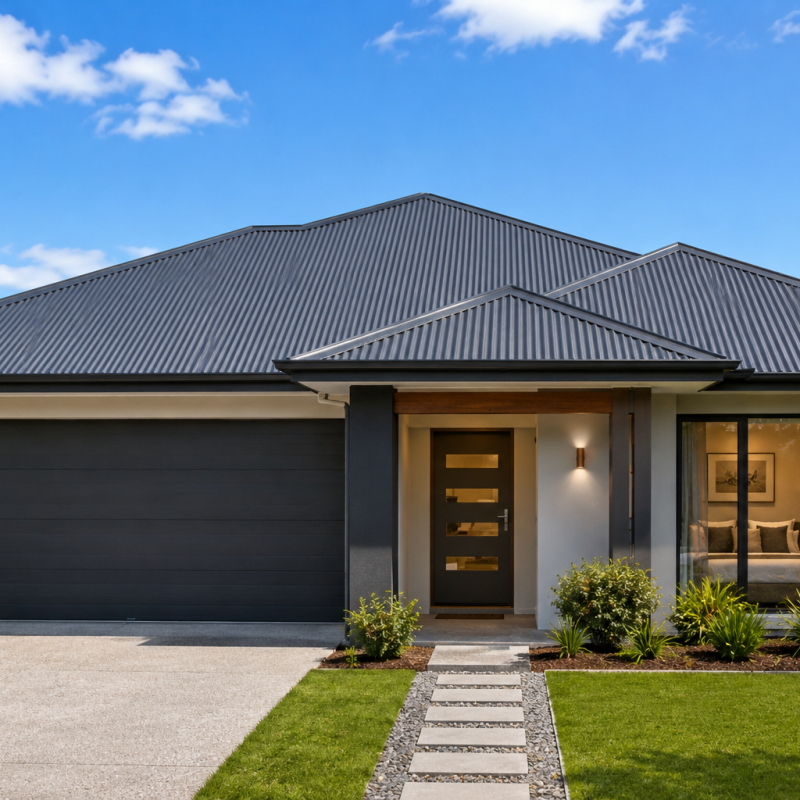
Reasons Property Owners Consider Colorbond
Some terracotta roofs remain suitable for repairs and restoration, while others may have widespread deterioration or require a more substantial change. A roof assessment can help determine whether conversion to metal roofing is a practical option.
Common reasons for considering a change include:
Repeated tile breakage and repairs
Deteriorated ridge bedding and pointing
Persistent leaks across several roof areas
Changes to the property’s appearance
Plans for broader roof renovations
A preference for metal roofing
Concerns about the condition of an ageing roof
Colorbond steel is available in a range of colours, allowing property owners to select a finish that complements the building. However, the suitability of a conversion depends on the existing roof structure, drainage arrangements, site conditions and proposed roofing design.
Changing from terracotta tiles to Colorbond steel requires careful planning because the two roofing systems have different installation requirements.
Removing Existing Terracotta Tiles
The old tiles must be removed before the replacement roof can be installed. Contractors can assess the condition of the roof beneath the tiles and identify damaged battens, deteriorated timber or other issues that may need attention.
Preparing the Roof Structure
Once the existing materials have been removed, the supporting structure can be examined. Any required structural work should be identified before installation proceeds. The roof design, framing and fixing requirements must be suitable for the proposed metal roofing system.
Installing Colorbond Roof Sheeting
The new steel sheets are installed according to the roof layout and relevant manufacturer requirements. Contractors also consider sheet alignment, fixing points, roof penetrations and the connection between different roof sections.
Flashings, ridges, valleys and roof junctions need suitable detailing to manage rainwater. Gutters and downpipes may also need assessment to ensure the changed roof configuration drains appropriately.
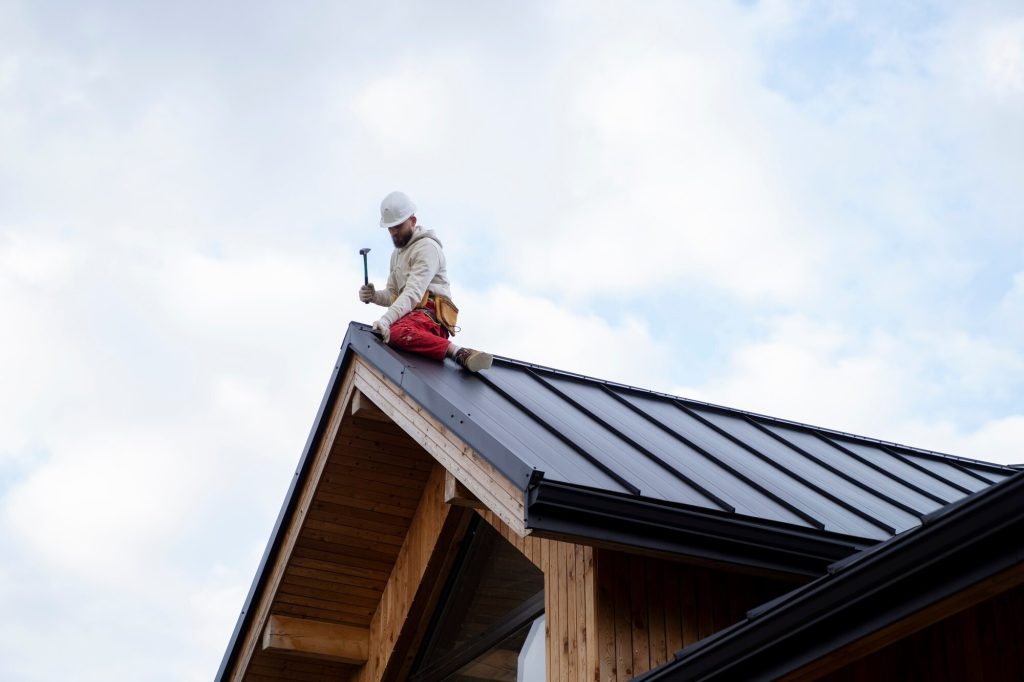
Converting a terracotta tile roof to Colorbond steel requires preparation beyond simply changing the roof covering. The existing structure, roof layout and drainage details must be considered to ensure the replacement system suits the property.
The contractor examines the roof to determine the work involved, including:
Tile and ridge condition
Roof framing and battens
Existing leaks or damage
Roof pitch and configuration
Access and safety requirements
The replacement roof is planned to suit the building’s design and construction. Important considerations include:
Colorbond colour and profile
Sheet layout and fixing method
Roof ventilation requirements
Flashing and drainage details
Any applicable building approvals
The existing tiles are removed to expose the supporting structure. The work may involve:
Lifting and removing roof tiles
Clearing redundant materials
Inspecting exposed battens
Checking for timber deterioration
Identifying repairs needed before installation
Once the roof is ready, the contractor completes the agreed preparation and installs the replacement roofing components, which may include:
Repairing unsuitable roof supports
Installing appropriate roof sheeting
Fitting flashings and ridge components
Sealing roof junctions correctly
Addressing gutter connections
The finished installation is checked to identify any outstanding issues with the roofing work. Checks may cover sheet fixings, flashing details, roof penetrations and drainage paths.
The final scope and timeframe depend on the property’s size, roof complexity, weather conditions and any concealed damage discovered during tile removal.

Colorbond may suit property owners seeking a metal roofing finish, but conversion is not automatically the best option for every building. A roof with isolated tile damage may only need targeted repairs, while widespread deterioration could justify comparing restoration, replacement and metal reroofing.
Before deciding, consider the condition of the current roof, the appearance you want, the property’s construction and any applicable planning or building requirements. Heritage-listed properties and buildings in areas with specific design controls may require additional checks before changing roofing materials.
A qualified roofing contractor can explain the practical differences between retaining terracotta tiles and converting to Colorbond steel.
Can I replace my terracotta roof with Colorbond steel?
In many cases, conversion is possible, but the existing roof structure, building requirements and proposed installation method must be assessed first.
Do all the roof battens need replacing?
Not necessarily. Their condition and suitability for the proposed metal roofing system should be checked after the terracotta tiles are removed. Any replacement requirements can then be confirmed.
Will changing to Colorbond make my roof lighter?
Colorbond steel roofing generally weighs less per square metre than traditional terracotta tiles. The actual roof system and structural implications should still be assessed for the individual property.
Can I choose a different Colorbond colour?
Colorbond steel is available in a range of colours. Your selection can be discussed with the contractor, taking the building’s design and any applicable restrictions into account.
How long does a terracotta-to-Colorbond conversion take?
The timeframe depends on roof size, complexity, access, weather and any repairs needed beneath the existing tiles. Your contractor can provide a project estimate after inspecting the property.
Do I need approval to change from terracotta tiles to Colorbond?
Approval requirements depend on the property’s location, planning controls and building circumstances. Check with the relevant council or building professional before proceeding, particularly for heritage or strata properties.
Can damaged roof framing be repaired during reroofing?
Potentially, yes. The extent of the damage should be assessed, and any necessary structural repairs should be agreed upon before the new roof is installed.
Replacing terracotta tiles with Colorbond steel is a significant roofing project that benefits from a clear scope, suitable materials and careful attention to the existing roof structure. An inspection can help establish whether conversion is appropriate and identify the work required.
Call Roof Repairs Chatswood on (02) 5701 4347 to discuss your project. You can also visit our Contact Us page to make an enquiry or browse our roofing services for other options.
Roof Repairs Chatswood connects property owners with independent contractors. Inspections, quotations, scheduling and roofing work are handled directly by the relevant contractor.